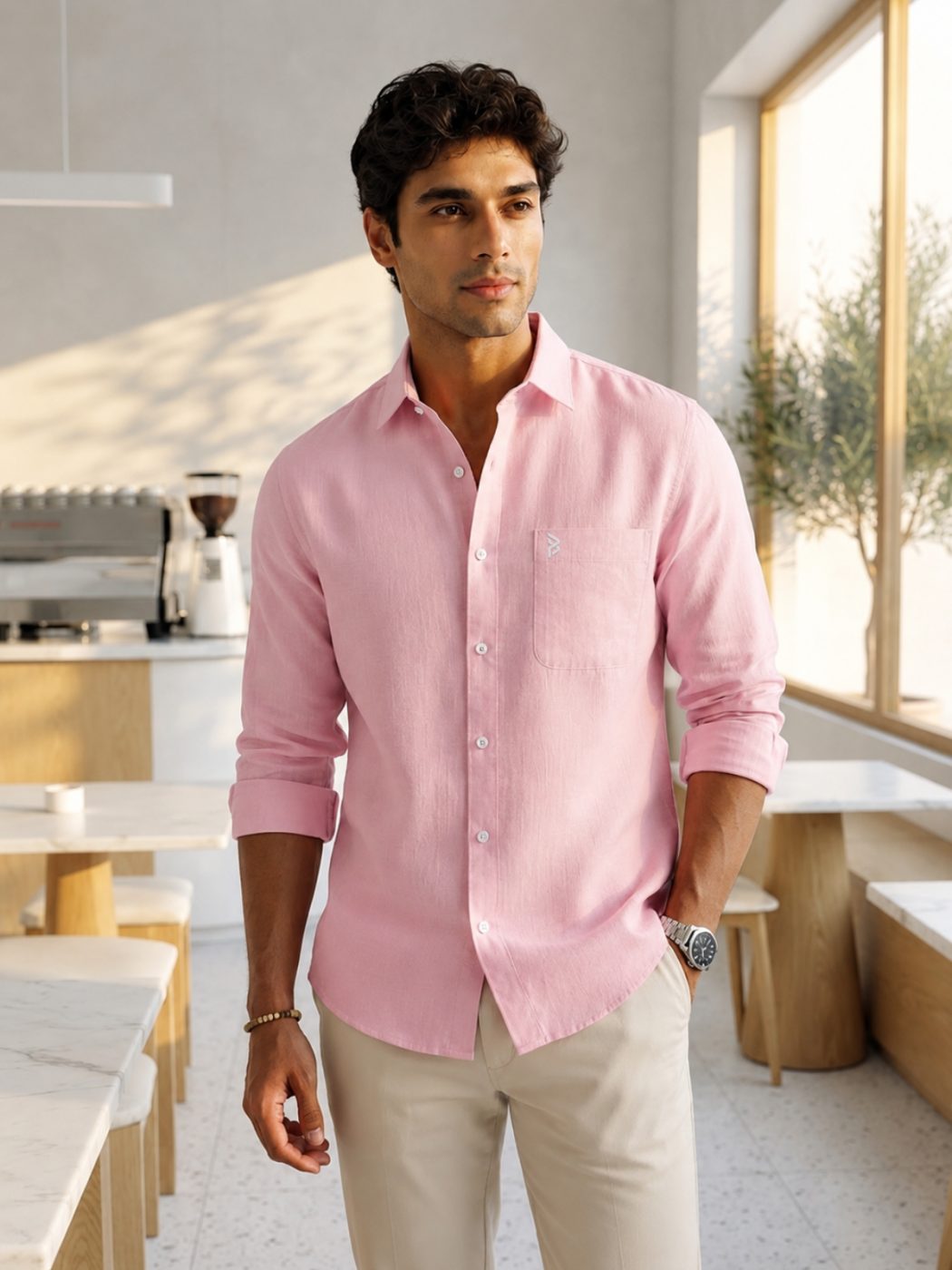

The argument for a premium menswear store outside the metros is straightforward: the customer there already buys premium clothing, mostly online or on trips to a bigger city. What is often missing locally is somewhere to touch the fabric and try the fit.
What actually decides it is your specific catchment
City tiers are a blunt instrument. A tier 3 city with a strong local business community and a functioning high street can support a premium format better than a tier 2 city where the retail has moved entirely into one mall you cannot get into. Judge the catchment, not the label.
Five things to check on the ground
- Where do people already shop for occasion wear? Follow that street. Premium menswear sells next to jewellery, footwear and tailoring, not next to discount apparel.
- What do the existing shops charge? If nothing in the catchment sells a shirt above a certain price, understand why before assuming you will be the first.
- Rent as a share of realistic sales. Work backwards from a conservative monthly sales figure that you believe, not one you hope for, and see what rent that supports.
- Footfall by day. Visit on a weekday morning and a Saturday evening. A street that only works two days a week is a different business.
- Who will run it day to day? Premium retail is sold, not stocked. If you cannot be there, the person who is matters more than the format you choose.
How the format choice follows
A smaller catchment usually argues for the compact format: lower fixed cost, a tighter range, and room to grow into a larger one once the market has proved itself. Taking a large format into an unproven market is the most common and most expensive mistake in franchise retail.
Our four formats and what each includes are set out on the franchise page, and in the formats article.